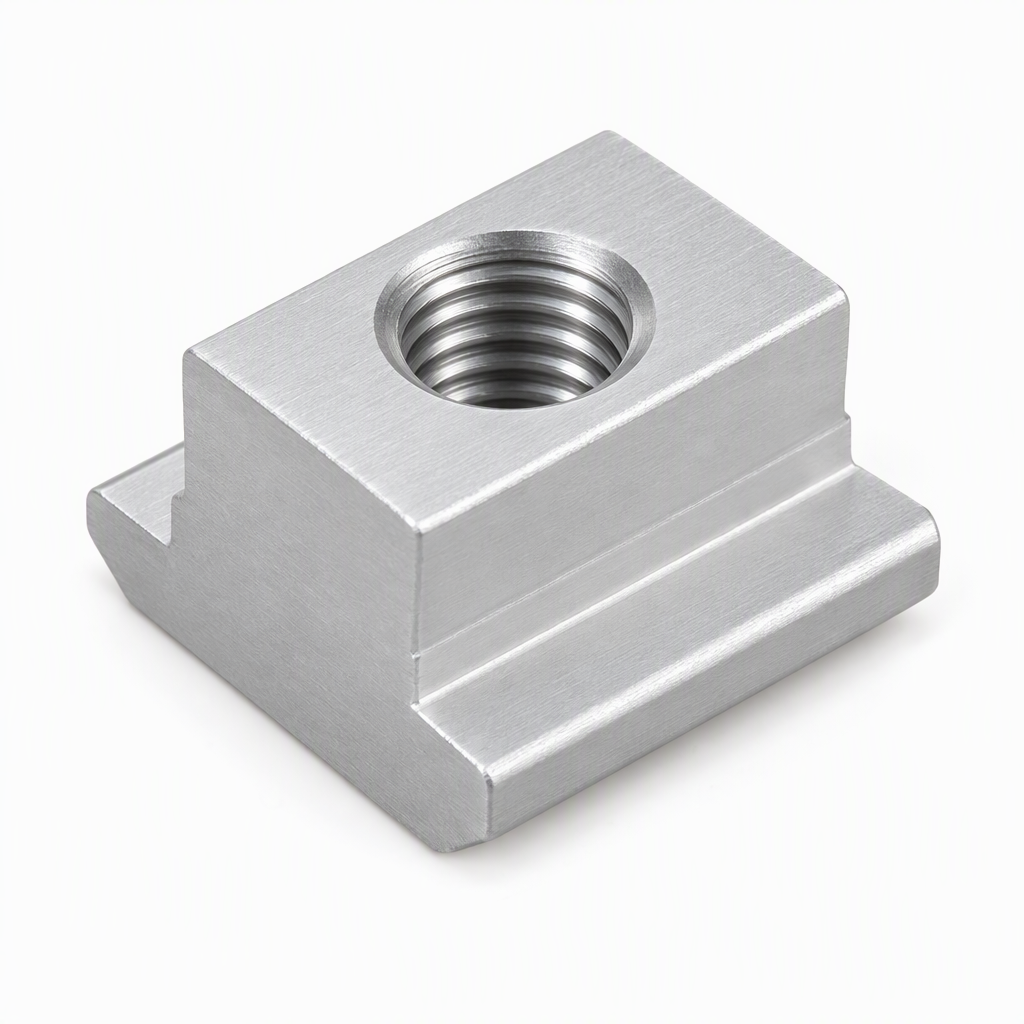
T-Slot Nut 45 Series M8 Hammer Nut for 45×45 Aluminium Extrusion
M8 hammer-head T-slot nut for the 10 mm slot of 45 x 45 mm aluminium extrusion on a 33 mm slot pitch. Not interchangeable with 40 series parts. Carbon steel zinc plated or 304 stainless, torque about 15 N m.
| Material | Carbon steel / 304 stainless steel |
|---|---|
| Alloy Grade | Grade 8.8 equivalent carbon steel / A2-70 stainless |
| Temper | custom |
| Section Size | M8, for 45 series 10 mm slot |
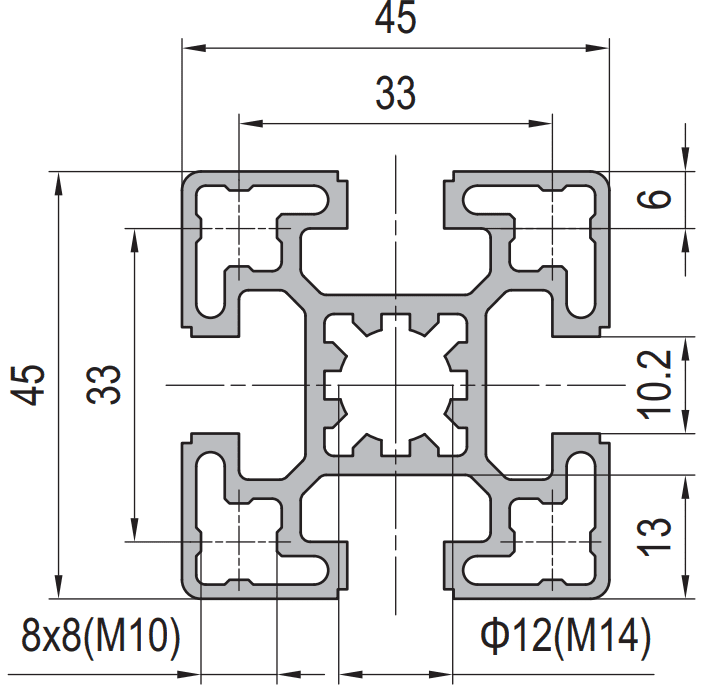
| Slot | Fits 10 mm slot mouth, 14.0 mm groove cavity, 8 mm cavity height |
| Length | 15 mm standard, 20 mm long body option |
| Tolerance | Thread to ISO 965-2 6H, head width -0.15 mm on the groove cavity |
| Surface | Zinc plated (clear trivalent) / passivated stainless |
| MOQ | 6000 |
| Lead Time | 12-20 days after deposit for zinc plated, 18-26 days for 304 |
| Loading Port | Shanghai / Ningbo |
| Supply Ability | 3 million pieces per month |
| Payment Terms | T/T 30% deposit + 70% before shipment | L/C at sight |
| Trade Terms | FOB | CIF | EXW |
| Certifications | ISO 9001:2015 | ISO 965-2 thread | RoHS | REACH |
Fastening elements · 45 series · M8
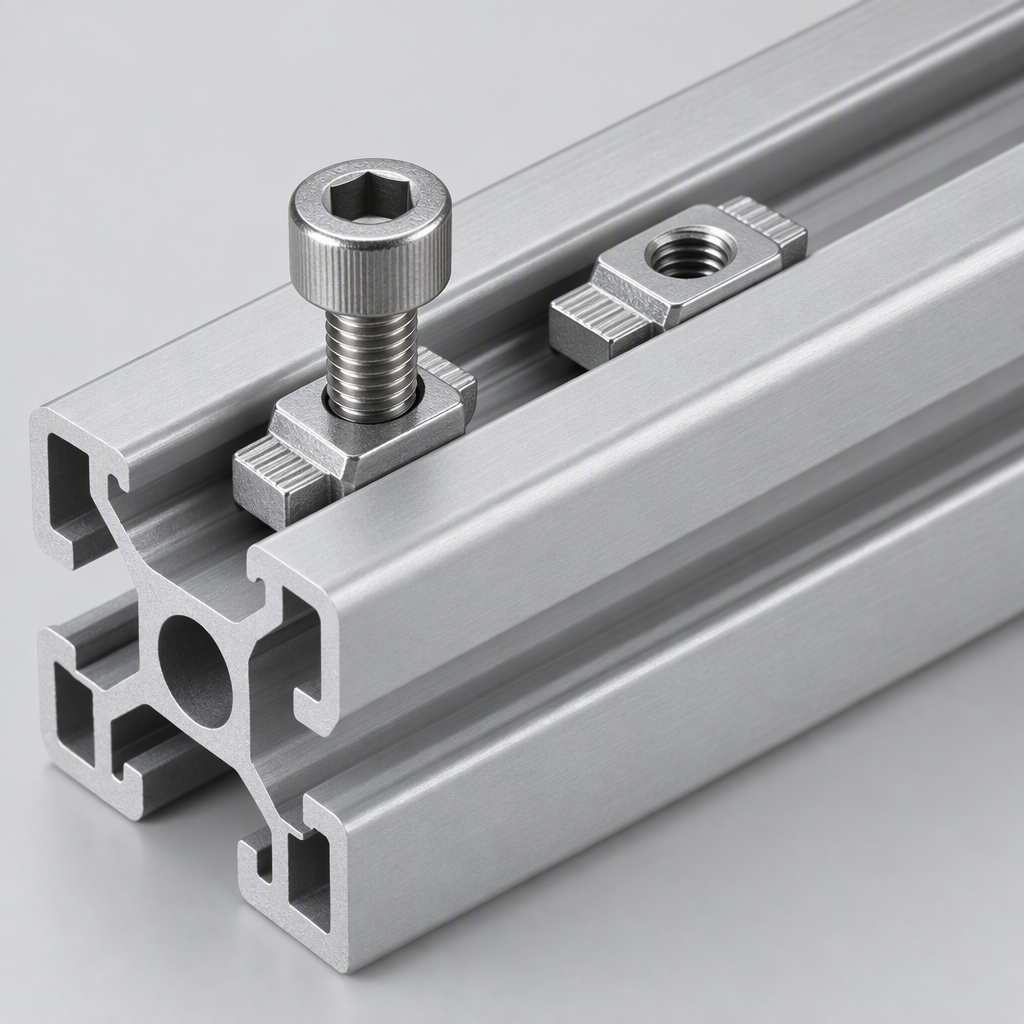
A 45 series T-slot nut is an M8 hammer-head nut sized for the 10 mm slot of a 45 x 45 mm aluminium extrusion. It looks almost identical to the 40 series M8 nut and is not interchangeable with it: the 45 series slot mouth is wider, the groove cavity is deeper, and the slot pitch — the distance from one slot face to the opposite one — is 33 mm against 30 mm on 40 series. A 40 series nut dropped into a 45 series groove sits loose and rocks; a 45 series nut will not enter a 40 series mouth at all.
That matters because both systems are common in European equipment, both use M8 screws, and both are often bought by the same workshop. The failure that follows a mix up is not dramatic — it is a joint that will not hold its position, a bracket that rocks as it is tightened, or a nut that has to be ordered again after the frame is half built. This page gives the dimensions that separate the two systems and a short routine for identifying a loose part on the bench.
Why 45 series exists alongside 40 series
The two systems grew up for different markets and neither has replaced the other. Forty series is the metric framing standard that most of the world settled on: a 40 mm envelope on a 30 mm slot pitch with an 8 mm slot. Forty-five series is European equipment framing, and it keeps its own geometry: a 45 mm envelope on a 33 mm pitch with a 10 mm slot, which takes a heavier nut and a heavier bracket without changing the outward look of the frame. A machine imported from Europe is very often 45 series, and a frame built locally is very often 40 series.
The practical consequence is that the two accessory ranges do not mix, and that the difference is invisible in a photograph. The nuts look the same, the brackets look the same, both take M8 screws, and both sit in the same fastening elements catalogue. Only measurement separates them, and it is worth doing before an order is placed rather than after a delivery has been rejected.
| Dimension | 40 series | 45 series |
|---|---|---|
| Section envelope | 40 x 40 mm | 45 x 45 mm |
| Slot pitch | 30 mm | 33 mm |
| Slot mouth width | 8.0 mm | 10.0 mm |
| Groove cavity width | 12.0 mm | 14.0 mm |
| Groove cavity height | 6.0 mm | 8.0 mm |
| Typical thread | M8 | M8 (M10 in heavy variants) |
| Nut body length | 15 mm | 15 mm |
| Nut head width | 12.2 mm | 14.2 mm |
| Nut neck width | 7.7 mm | 9.7 mm |
| Nut weight | approx. 8 g | approx. 9 g |
| Torque ceiling | approx. 15 N m | approx. 15 N m |
Four measurements that identify a loose part
A caliper and two minutes on the bench settle which system a nut belongs to. Work in the order below, because the first measurement usually answers the question and the later ones only confirm it. If a nut and a section are both in front of you, measure the section rather than the nut, because the section is the part the whole frame is built from and the one you cannot change.
- Measure the slot mouth Slide the caliper jaws into the mouth of the slot. A 40 series section measures about 8.0 mm and a 45 series section about 10.0 mm. This is the single most reliable check, because the mouth is the dimension the nut neck has to pass through and it is the one that stops a 45 series nut entering a 40 series slot.
- Measure the groove cavity height Reach into the slot and measure the height of the cavity behind the lip. Forty series is about 6.0 mm and 45 series about 8.0 mm. A nut head that is too thin for the cavity will sit low and rock; one that is too thick will not seat at all and will hold the bracket off the face.
- Measure the slot pitch Measure from one slot face to the opposite slot face across the section. Forty series is 30 mm and 45 series 33 mm. This is the check that catches a mixed consignment of sections, because a bracket drilled for one pitch will not line up on the other even if the nuts happen to fit.
- Measure the nut neck and head A 40 series nut has a neck of about 7.7 mm and a head of about 12.2 mm; a 45 series nut is about 9.7 mm and 14.2 mm. If the nut will not enter the mouth, the neck is too wide and it is the wrong series. If it enters but slides freely with visible side play, the head is too narrow for the cavity.
| If you measure | It is | Then |
|---|---|---|
| 8.0 mm mouth, 6.0 mm cavity, 30 mm pitch | 40 series | Order the 40 series M8 nut |
| 10.0 mm mouth, 8.0 mm cavity, 33 mm pitch | 45 series | Order the 45 series M8 nut |
| 8.0 mm mouth but a nut with a 9.7 mm neck | Mixed | The nut is 45 series, the section is 40 |
| 10.0 mm mouth but a nut with a 7.7 mm neck | Mixed | The nut is 40 series, the section is 45 |
Measure the section, not the drawing. Old drawings are frequently re-titled, and a frame that has been extended over the years can carry members from two systems. Where a joint has to be reliable, measure the slot in front of you and order to that, and keep the two accessory ranges in separately labelled bins.
What a mix-up actually causes
None of the failure modes is dangerous on a normal frame, which is exactly why the problem survives so long before it is found. The joint is made, it looks right, and it only reveals itself when the frame is loaded or adjusted. On a static display frame that may never matter; on a machine frame it shows up as a bracket that will not hold its position.
- A 40 series nut in a 45 series groove: the head is too narrow for the cavity, so the nut rotates as the screw is turned and the bracket pulls out of square.
- A 45 series nut on a 40 series section: the neck is wider than the mouth, so the nut cannot be fitted at all without filing, which removes the plating and leaves the part unprotected.
- A bracket drilled for the wrong pitch: the holes line up on one face and not on the opposite face, so the frame goes together with one loose joint that is tightened harder to compensate.
- A mixed consignment in one bin: the wrong nut is fitted by hand feel, the joint holds for long enough to pass inspection, and the rework appears at commissioning.
The cure is procedural rather than technical. Order the nuts with the section, keep the two systems in labelled bins, and add the slot pitch to the purchase specification so that a future order cannot be filled with the other system’s part. Where a frame is being extended and the original drawings are missing, measure the existing slot and treat that measurement as the specification.
Ordering 45 series nuts
We make the 45 series M8 nut in carbon steel zinc plated and in 304 stainless, with the 15 mm body standard and a 20 mm body available for joints that need more lip engagement. It is dimensioned for the 10 mm slot of the 45 series aluminium profiles. The minimum order is 6,000 pieces per material, and 40 series and 45 series nuts can be combined in one order for pricing — which is the practical way to stock both systems without carrying two minimum orders.
Lead time is 12 to 20 days after deposit for zinc plated and 18 to 26 days for stainless. Terms are FOB, CIF or EXW from Shanghai or Ningbo, with T/T 30 % deposit and the balance before shipment, or an L/C at sight. OEM and ODM are available: we mark the head with your part number and can laser or stamp a series identifier on the head so that the two systems cannot be confused in the workshop.
Frequently asked questions
Will a 40 series nut fit my 45 series profile?
No. The 45 series slot mouth is 10 mm and the cavity is 8 mm high, against 8 mm and 6 mm on 40 series, so a 40 series nut sits loose and rocks in the groove. The slot pitch is also different, 33 mm against 30 mm, so brackets do not line up either way.
How can I tell which system I have?
Measure the slot mouth with a caliper: about 8 mm is 40 series and about 10 mm is 45 series. If the section is not to hand, measure the nut neck, about 7.7 mm for 40 series and about 9.7 mm for 45 series, or the slot pitch, 30 mm against 33 mm.
What happens if the two are mixed on one frame?
The joint does not fail suddenly, it fails quietly. A 40 series nut in a 45 series groove rotates as the screw is turned and the bracket pulls out of square; a bracket drilled for the wrong pitch lines up on one face and not the other. The rework usually appears at commissioning.
Do you mark the nuts so they cannot be confused?
Yes, on request. We can stamp or laser a series identifier or your part number on the head, which is the simplest way to keep 40 and 45 series parts apart in a workshop bin. Head marking is available on both the zinc plated and the stainless nut.
What is the minimum order for 45 series nuts?
6,000 pieces per material, and 40 series and 45 series nuts can be combined in one order for pricing. Lead time is 12 to 20 days after deposit for zinc plated and 18 to 26 days for stainless, on FOB, CIF or EXW terms.
Confirm the series before you order the nuts
Send the section drawing or the three measurements — slot mouth, cavity height and slot pitch — and we will confirm whether the frame is 40 or 45 series and quote the nut that fits it. Tell us the material, the body length, the quantity and whether you want a series identifier on the head, and we will return unit pricing and the FOB lead time.
Request a QuoteRelated Products
 T-Slot Nut 50 Series M10 Hammer Nut for 50×50 Aluminium Extrusion
M10 hammer-head T-slot nut for the 10 mm groove of 50 x 50 mm…
 PG45 180 x 90 mm Twelve Slot Aluminium Strut Profile Heavy Duty Column
A 180 x 90 mm twelve slot PG45 aluminium strut profile at about 9.50…
 T-Nut and Bolt Set Aluminium Profile Fastener Kit M5 M6 M8 20-40 mm T-Slot Hardware
Matched T-nut, bolt and washer set for aluminium profile frames in M5, M6 and…
 Cubic Connector 4545 45x45x45 mm Three-Way Aluminium Corner Joint Block for 45 Series
A 45 x 45 x 45 mm three-way cubic corner connector for 45 series…
 PG45 90×90 mm Eight Slot Aluminium Strut Profile M10 Column Section
A 90 x 90 mm eight slot PG45 aluminium strut profile with 8 x…
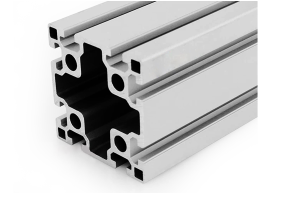 PG45 90×90 mm Eight Slot Heavy Aluminium Strut Profile for Heavy Machinery Frames
A 90 x 90 mm eight slot heavy PG45 aluminium strut profile with thicker…
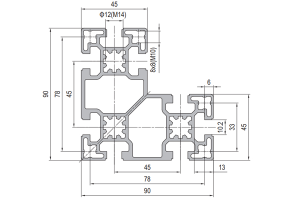 PG45 90×90 mm L-Shape Eight Slot Aluminium Strut Profile Corner Column for Frames
A 90 x 90 mm L-shaped eight slot PG45 aluminium strut profile with two…
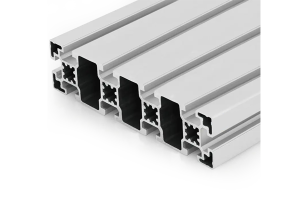 PG45 180 x 45 mm Ten Slot Aluminium Strut Profile Wide Gantry Beam
A 180 x 45 mm ten slot PG45 aluminium strut profile at about 6.20…
