Good vs Bad Aluminium Profiles: What Your Receiving Dock Can and Cannot Check
Incoming quality · receiving dock Good vs Bad Aluminium Profiles: What Your Receiving Dock Can and Cannot Check Most “how to spot a bad profile” guides put visual inspection first, because it is the only check a buyer can do without equipment. That is exactly the problem: the two defects that cost the most money, […]
Aluminium Profiles in Solar Mounting: Wind Uplift, Corrosion and a 25-Year Life
Solar mounting · 25-year duty Aluminium Profiles in Solar Mounting: Wind Uplift, Corrosion and a 25-Year Life A solar mounting structure is asked to survive a quarter of a century outdoors with essentially no maintenance. That single fact changes every decision in the specification, and it rules out several choices that would be perfectly reasonable […]
Aluminium Partitions: The Three Performance Numbers Behind the Aesthetic
Partitions · performance and acceptance Aluminium Partitions: The Three Performance Numbers Behind the Aesthetic Partitions are usually sold on appearance and design flexibility, and they are accepted on three numbers that have nothing to do with either: how much sound they stop, how they behave in a fire, and whether a tall run stays upright […]
Lean Pipe vs T-Slot Profile: Two Interface Philosophies, Not Two Generations
Modular systems · interface philosophy Lean Pipe vs T-Slot Profile: Two Interface Philosophies, Not Two Generations Lean pipe and T-slot framing are often presented as an older and a newer way to do the same thing. They are not. One joins by friction around a round tube and the other by mechanical lock in a […]
Aluminium Profile Finishes: Choose by Failure Mode, Not by Process Name
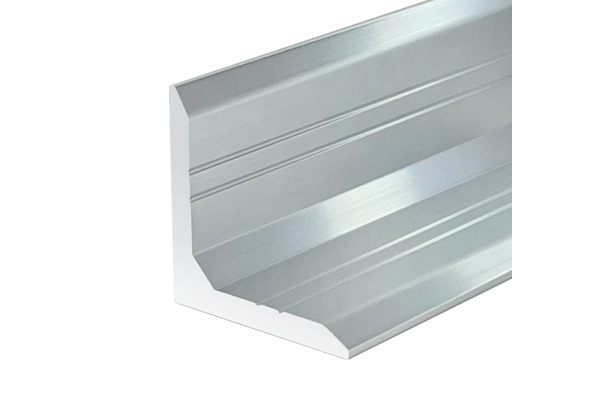
Surface treatment · failure and acceptance Aluminium Profile Finishes: Choose by Failure Mode, Not by Process Name A list of process names tells you what a finish is called, not how it will fail in your application. Finishing should be selected the way any other engineering decision is: from the failure you have to avoid, […]
Aluminium Workstations: From Fixed Benches to Reconfigurable Cells
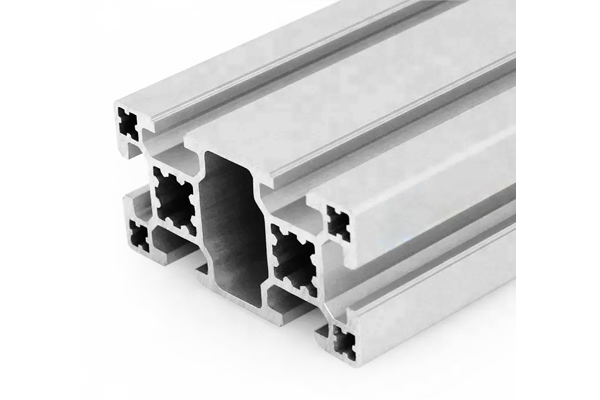
Workstations · reconfigurability Aluminium Workstations: From Fixed Benches to Reconfigurable Cells The move away from fixed benches is usually described as a modern design trend. It is not. It is a response to a measurable thing: how often the work changes. Once changeover frequency is high enough, the cost of rebuilding a welded bench outweighs […]
Aluminium Conveyor Frames: Why Belt Tracking Is a Geometry Problem
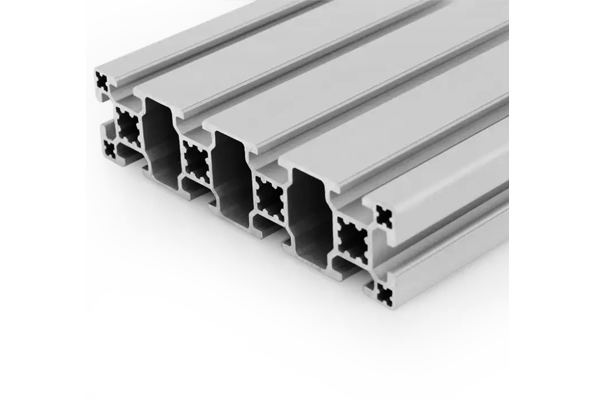
Conveyor framing · geometry and tolerance Aluminium Conveyor Frames: Why Belt Tracking Is a Geometry Problem When a conveyor belt walks off centre, the belt gets blamed and the frame gets ignored. In most cases the belt is doing exactly what the geometry is telling it to do, and the geometry was set when the […]
Aluminium Profile for LED Strips: A Heat Sink First, a Housing Second
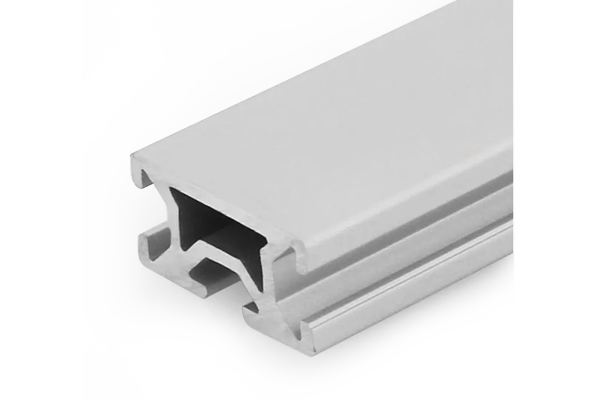
LED extrusion · thermal design Aluminium Profile for LED Strips: A Heat Sink First, a Housing Second Most descriptions of LED aluminium profiles list the housing functions: protection, appearance, diffuser mounting. Those are real but secondary. The section’s first job is to move heat out of the LED junction, because junction temperature is what decides […]
Aluminium Profile Stairs and Platforms: The Geometry and Load Rules Behind Them
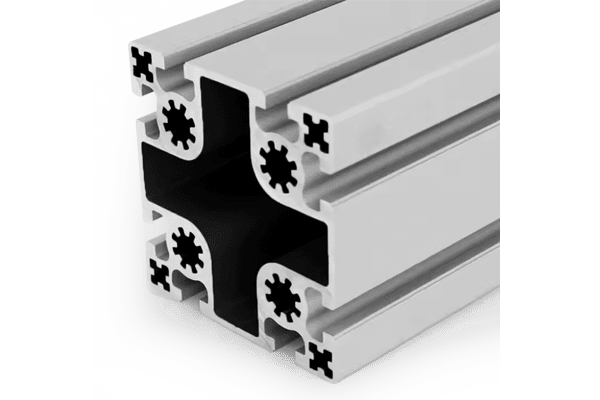
Access structures · load and geometry Aluminium Profile Stairs and Platforms: The Geometry and Load Rules Behind Them A stair is not a frame with steps on it. It is one of the few aluminium structures where the dimensions are dictated by rule rather than by choice, and where the governing case is a person […]
Aluminium Profile Shelving: It Buckles and Tips Before It Bends
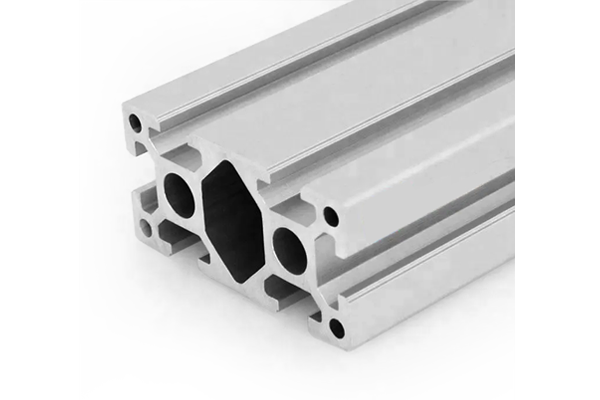
Shelving · stability Aluminium Profile Shelving: It Buckles and Tips Before It Bends Shelving is one of the few framing applications where strength is almost never the governing limit. The upright is a slender column, the assembly is tall relative to its depth, and the failure that arrives is a stability one. Governing mode Buckling, […]
Aluminium Profile Workbenches: Design the Top and the Frame as Two Separate Problems
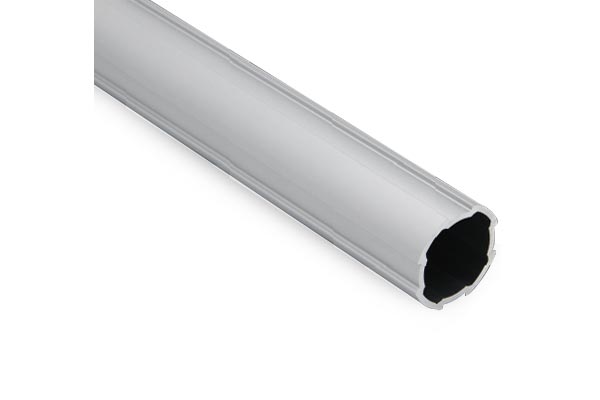
Workstations · frame and top Aluminium Profile Workbenches: Design the Top and the Frame as Two Separate Problems A bench has to carry a load and present a flat surface, and those two requirements pull in opposite directions. Trying to satisfy both with one set of members is why benches end up over-built in the […]
Aluminium Profile Machine Guards: Size the Frame from the Energy, Not from the Mesh
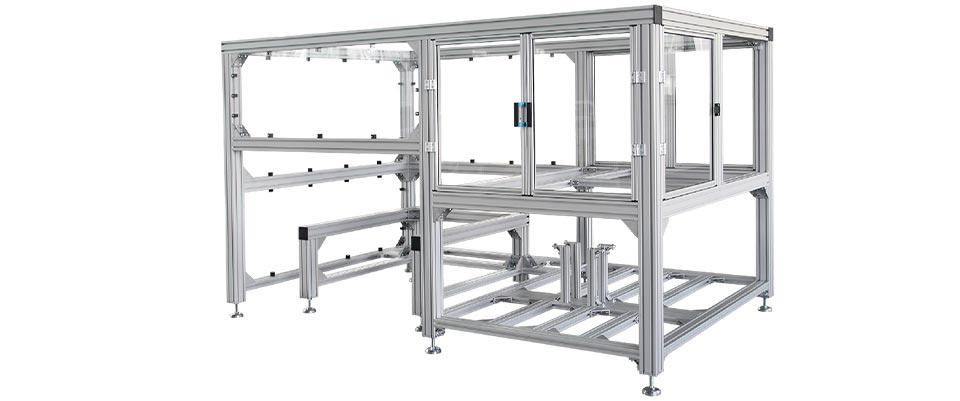
Machine safety · guard framing Aluminium Profile Machine Guards: Size the Frame from the Energy, Not from the Mesh Most guard frames are specified backwards: the mesh is chosen first because it is visible, and the posts are then spaced to suit it. The order should run from the hazard to the energy, from the […]
Aluminium Extrusion Section Design: What Each Feature on the Drawing Costs You
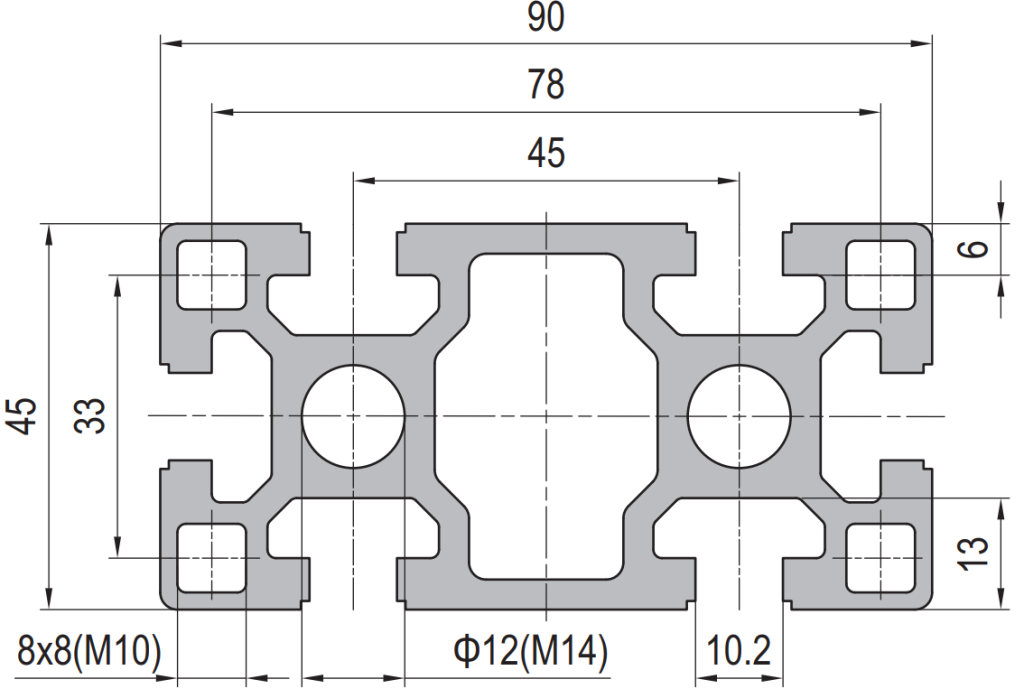
Extrusion design · cost drivers Aluminium Extrusion Section Design: What Each Feature on the Drawing Costs You Extrusion is sold as near-unlimited shape freedom. It is closer to a menu: every hollow, every thin wall, every tightened tolerance and every visible face has a price, and most of it is paid per metre for the […]
Aluminium Profile Fish Tank Frames: Glass Load, Salt Water, and the Alloy Question
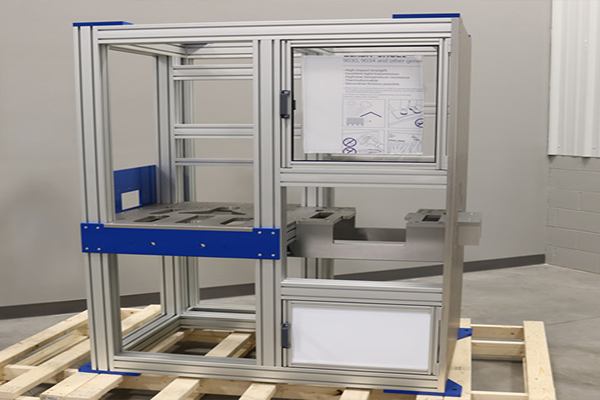
Applications · aquarium framing Aluminium Profile Fish Tank Frames: Glass Load, Salt Water, and the Alloy Question A display aquarium is one of the few applications where the frame sees a permanent distributed load, a permanently wet environment and a visible finish requirement at the same time. It is also the application where the wrong […]
T-Slot vs V-Slot Aluminium Profiles: The V Is a Raceway, Not a Cheaper T
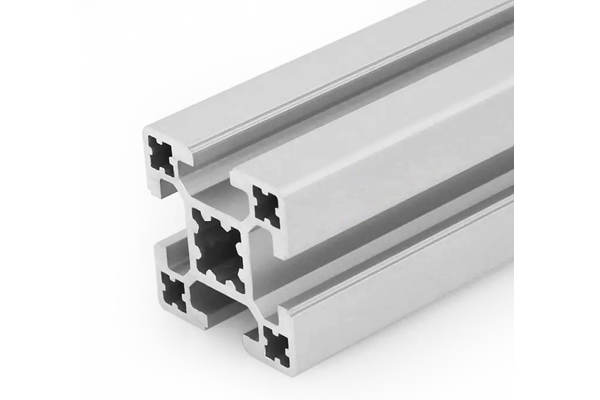
Profile geometry · T-slot vs V-slot T-Slot vs V-Slot Aluminium Profiles: The V Is a Raceway, Not a Cheaper T V-slot profile looks like T-slot profile with a different groove shape. It is not. The V is a running surface for wheels, and a section designed to guide a wheel is making a different set […]
Aluminium Profiles in Industry and Construction: One Material, Two Acceptance Logics
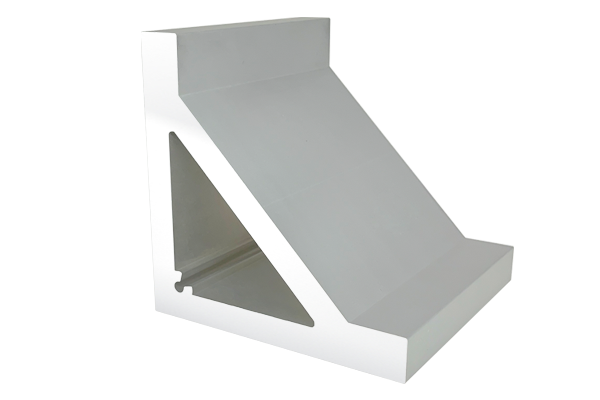
Applications · acceptance logic Aluminium Profiles in Industry and Construction: One Material, Two Acceptance Logics The same 40x40 section can be a machine base or a curtain wall transom. What changes is not the extrusion but what the inspector checks, what the drawing has to prove, and which failure is considered unacceptable. Sectors Industrial / […]
T-Slot Aluminium: The Slot Mouth Is the Interface Standard, Not the Series Name
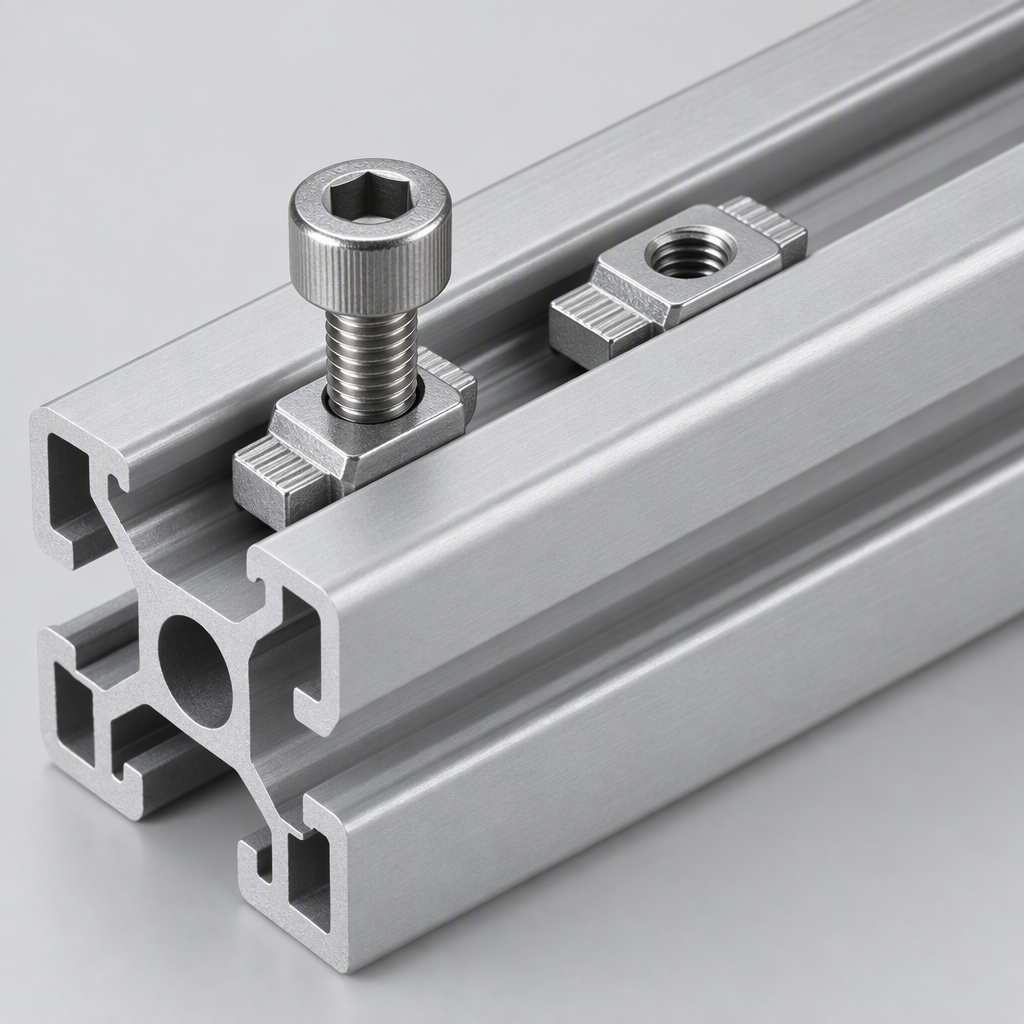
Slot geometry · fit and tolerance T-Slot Aluminium: The Slot Mouth Is the Interface Standard, Not the Series Name “40 series” is a family name, not a fit guarantee. Two suppliers can both sell a 40x40 section whose grooves will not accept the same nut. The dimension that decides compatibility is the slot mouth, and […]
Where Modular Aluminium Framing Works: A Load-Tier Map Instead of an Industry List
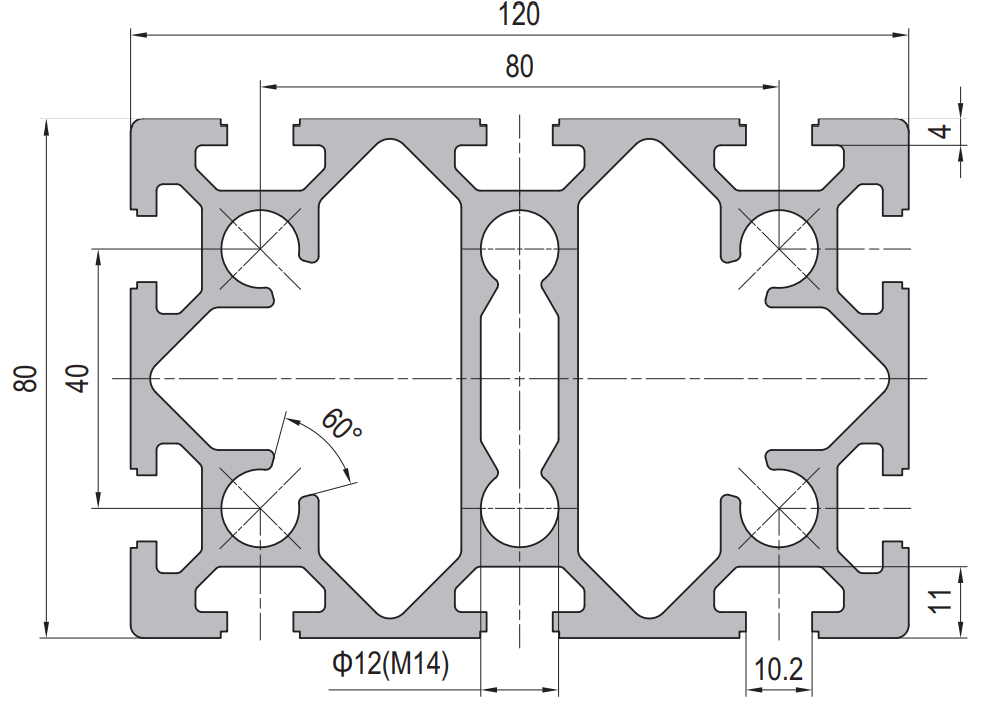
Applications · load tiers Where Modular Aluminium Framing Works: A Load-Tier Map Instead of an Industry List Most guides list industries. That is the wrong axis, because one industry contains both a 3 kg display stand and a 3 tonne gantry. The section you need is set by load, span and environment — not by […]
Modular Aluminium Components: Where the System Saves Money and Where It Costs You
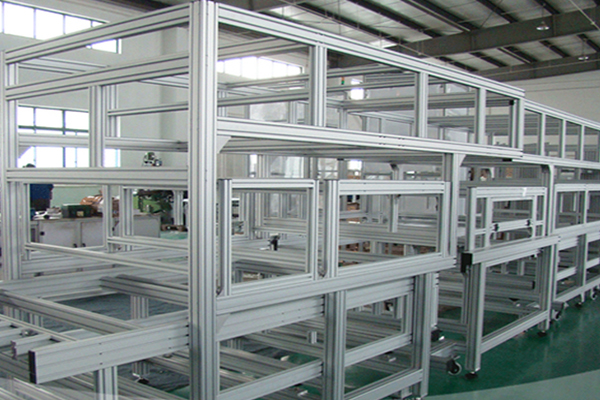
Modular systems · cost structure Modular Aluminium Components: Where the System Saves Money and Where It Costs You Modular T-slot framing is sold as a way to cut build time. That is true, but it is only half the ledger. The other half sits in the interface parts — the connectors, nuts and brackets that […]
Aluminium Profiles for Automation Equipment Frames: Design From the Assembly Floor
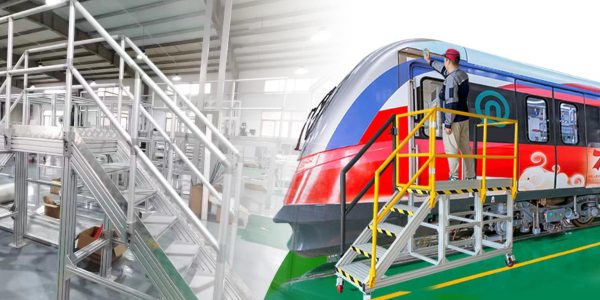
Automation frames · assembly and squaring Aluminium Profiles for Automation Equipment Frames: Design From the Assembly Floor A modular frame is not built on the drawing. It is built on the floor, by two people, with a hex key and a tape measure — and that is where frames are lost. Here is the error […]
Aluminium Profile Sizes 20 × 20 to 100 × 100: What Fails First
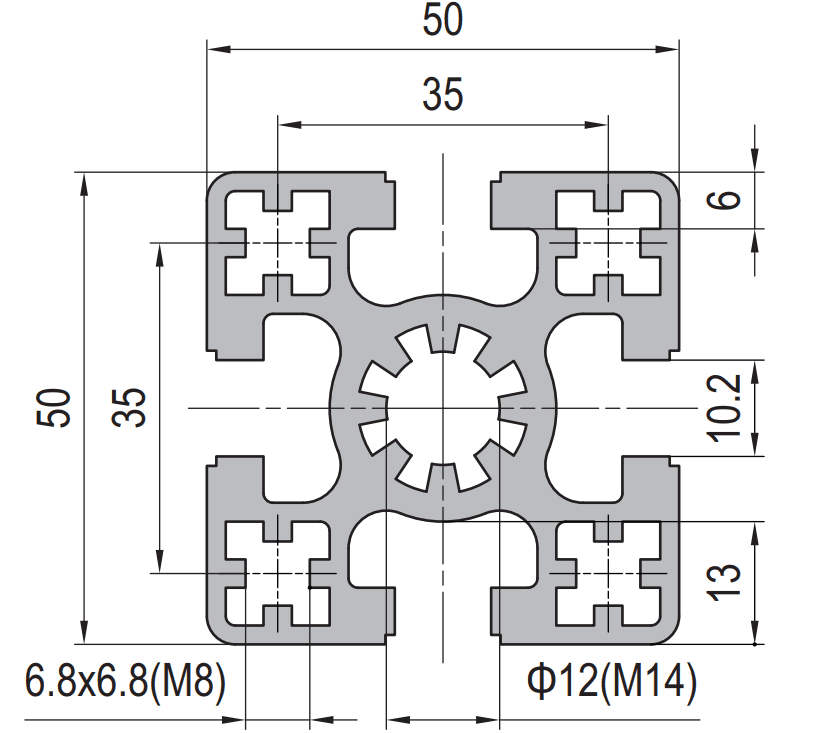
Profile sizes · what fails first Aluminium Profile Sizes 20 × 20 to 100 × 100: What Fails First The number in the name is not the stiffness. A 50 × 50 and a 60 × 60 standard section are 4 per cent apart in second moment of area and 39 per cent apart in […]
Why T-Slot Aluminium Profiles Are Used in Automation and When They Are Not
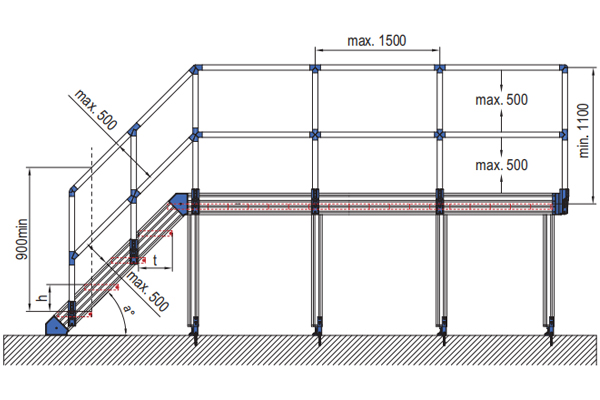
Automation framing · material choice Why T-Slot Aluminium Profiles Are Used in Automation and When They Are Not The usual answer is that aluminium is lighter and just as stiff. That is half right, and the half that is wrong is the half that decides projects. Aluminium and steel have almost identical stiffness per kilogram, […]
How to Choose an Aluminium Extrusion Profile: The Three Decisions That Bind
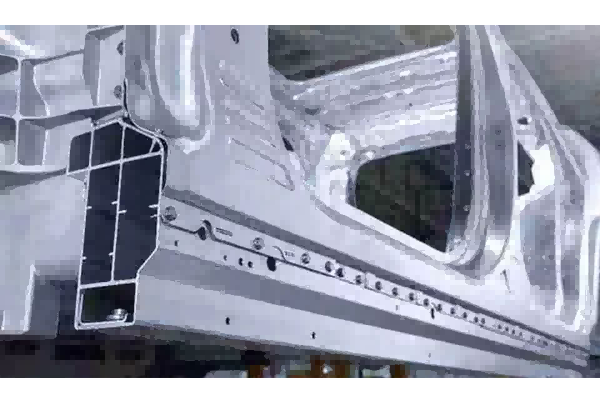
Profile selection · decision order How to Choose an Aluminium Extrusion Profile: The Three Decisions That Bind Most selection guides are nine steps in the wrong order. Nine questions look like nine decisions, and they are not: span, load position and deflection budget are the only inputs, and the section, the slot, the alloy, the […]
ESD Anti-Static Workbench Grounding: The Four Joints That Break the Path
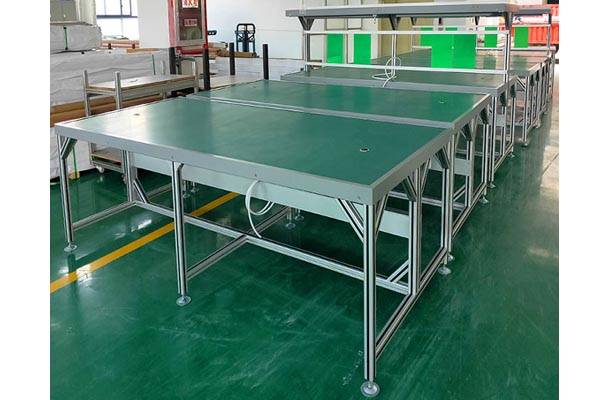
ESD workbenches · grounding continuity ESD Anti-Static Workbench Grounding: The Four Joints That Break the Path Almost every ESD bench that fails an audit fails in the same way. The worksurface reads a comfortable 107 ohms, the wrist strap passes, the footwear passes — and the overhead light arm, the pegboard and the tool rail […]
Precision Cutting and Tapping of Aluminium Profiles: The Tolerance That Actually Matters
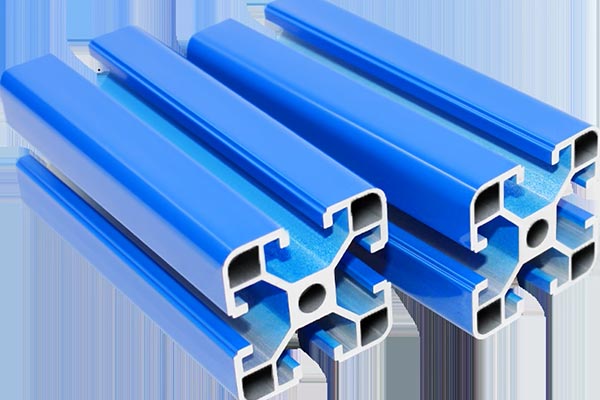
Cutting, tapping and machining Precision Cutting and Tapping of Aluminium Profiles: The Tolerance That Actually Matters Most drawings ask for ±0.1 mm because it sounds precise. On a frame, the number that decides whether the kit assembles is usually not the cut length at all — it is the squareness of the end face, and […]
6063-T5 Aluminium Profile: What the Designation Actually Guarantees
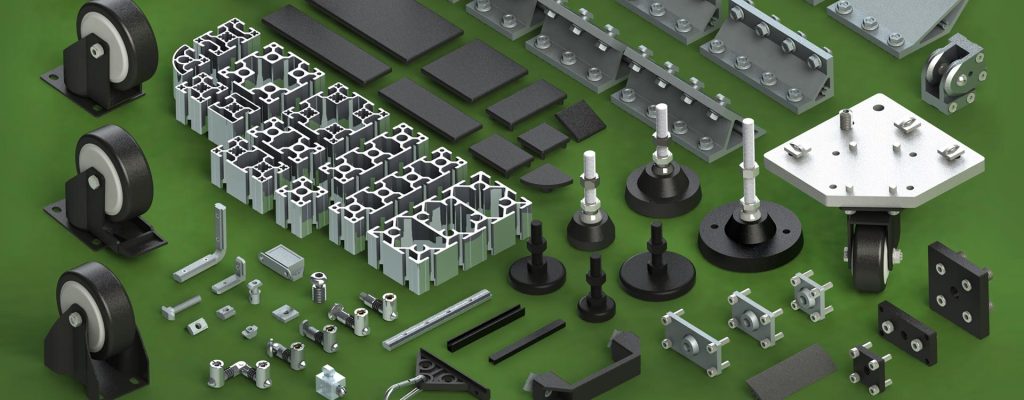
Material audit 6063-T5 Aluminium Profile: What the Designation Actually Guarantees The designation on a drawing looks like a guarantee. It is closer to a route description: it says how the profile was cooled and aged, and nothing about whether the delivered metal meets the numbers you designed to. Here is what each part of the […]
How Strong Is an Aluminium Profile? It Depends on How You Fix It
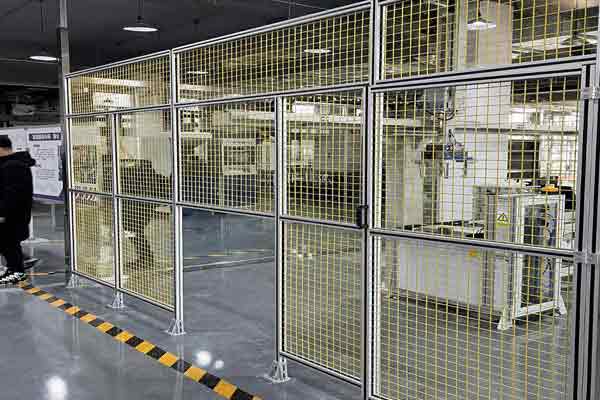
Strength and support conditions How Strong Is an Aluminium Profile? It Depends on How You Fix It Ask a supplier for a load rating and you will get a number that quietly assumes a support condition nobody mentioned. The same 40 × 40 section carries 6.6 kg as a cantilever and 206 kg between two […]
6061-T5 vs 6063-T5: What the Temper Label Really Decides
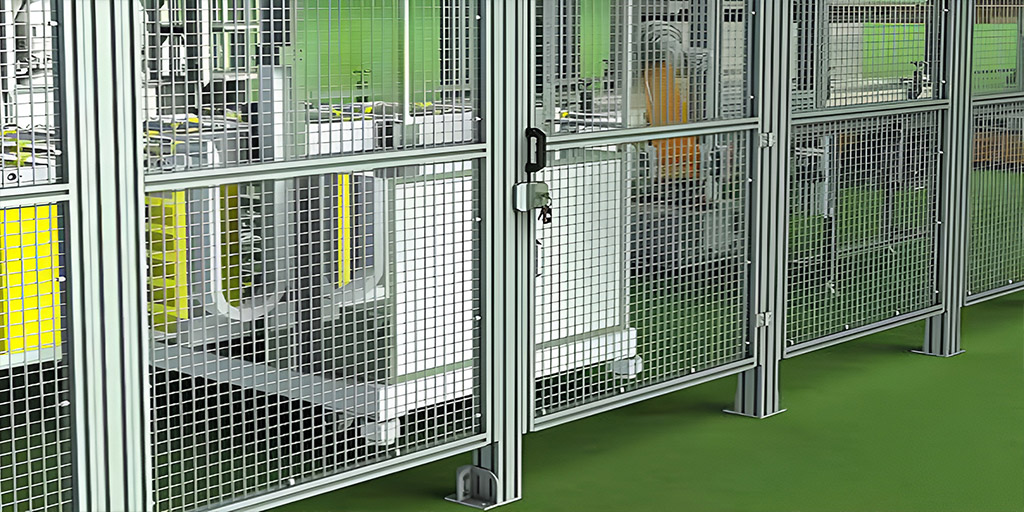
Alloy and temper · what changes 6061-T5 vs 6063-T5: What the Temper Label Really Decides Two things need separating here. One is the alloy, which changes how the profile extrudes, machines and anodises. The other is the temper, which changes the yield point. Neither of them changes stiffness by a single per cent — and […]
3030 vs 4040 Aluminium Profile: A Decision With Numbers
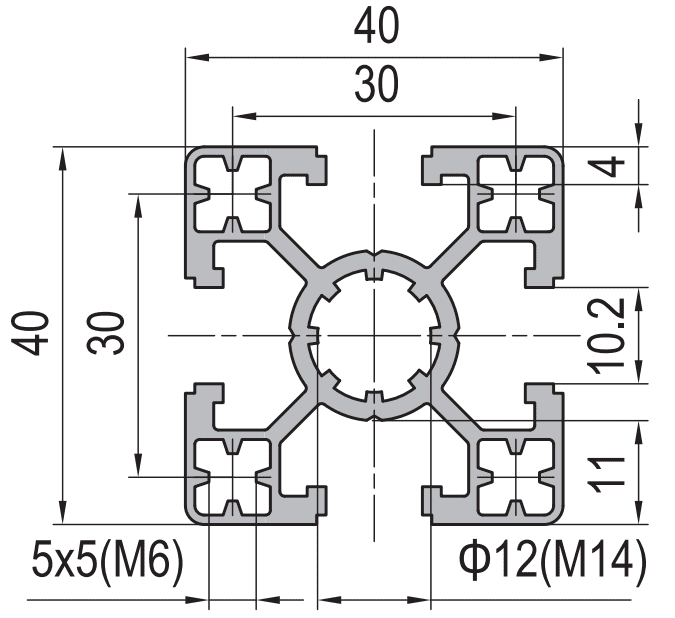
Section comparison · 30 against 40 3030 vs 4040 Aluminium Profile: A Decision With Numbers The usual answer is that a 4040 is “more than twice as strong”. It is 2.6 times as stiff, 1.35 times as heavy, and it buys bending stiffness at roughly half the cost per unit. It also commits you to […]
Aluminium Extrusion Tolerances: What to Write, and How to Inspect
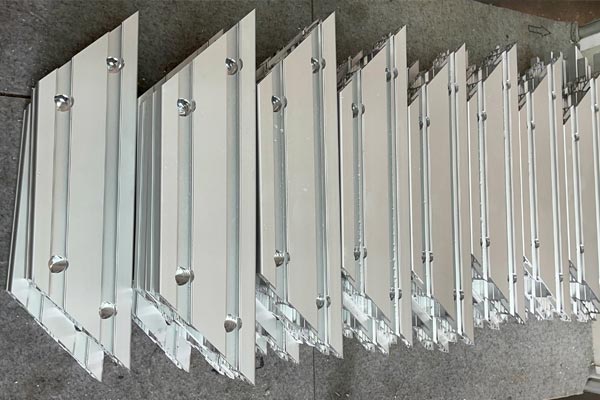
Metrology · incoming inspection Aluminium Extrusion Tolerances: What to Write, and How to Inspect Most tolerance articles tell you that a bigger profile has a bigger tolerance and that you should not ask for more accuracy than you need. None of them give you the numbers. Here are the EN 755-9 tables you actually inspect […]
Standard vs Custom Aluminium Extrusion: The Break-Even Calculation
Sourcing economics · tooling Standard vs Custom Aluminium Extrusion: The Break-Even Calculation Every guide says a custom die costs $1,500 to $5,000 and a standard profile ships in 48 hours. None of them tell you the volume at which the die pays for itself — and that number is the only one that decides the […]
Aluminium Profile Standard Sizes: How the Series Matrix Actually Works
Standard sizes · series matrix Aluminium Profile Standard Sizes: How the Series Matrix Actually Works A 4040 is not one product. The 30 series and the 40 series share the same slot on most European grids. And “standard size” is not a specification. Here is the full T-slot series matrix — slot mouth, channel, centre […]
Global Sourcing Excellence: Multi-Category OEM and ODM Manufacturing and Supply Chain Integration
Sourcing Global Sourcing Excellence: Multi-Category OEM and ODM Manufacturing and Supply Chain Integration A sourcing programme is not a purchase order. It is five gates, a document pack and a repeat order that matches the first. Here is what each gate needs, and the questions that separate a factory from a forwarder with a website. […]
How to Choose the Right T-Slot Aluminium Profile Size
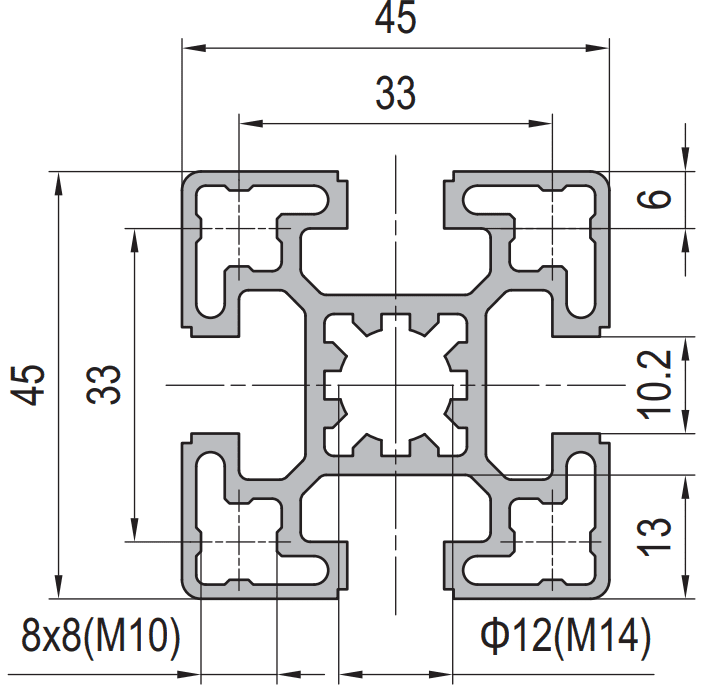
Frame geometry How to Choose the Right T-Slot Aluminium Profile Size The section is the last decision, not the first. Here is why supports and bracing buy more stiffness per kilogram than any upgrade — and the number that explains why a diagonal works. 10 min readSupport placementBracingWorked comparison Quick answer Fix the geometry and […]
How to Choose the Right 4040 T-Slot Aluminium Profile for Industrial Applications
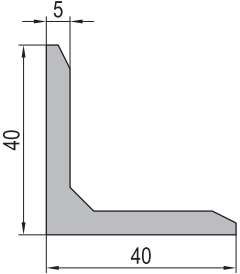
4040 selection How to Choose the Right 4040 T-Slot Aluminium Profile for Industrial Applications 40 × 40 mm is the default section in industrial framing. The useful question is not whether it is strong enough — it is what stepping up or down a series actually buys you, and what it costs across the whole […]
How to Choose the Right T-Slot Aluminium Profile for Your Project
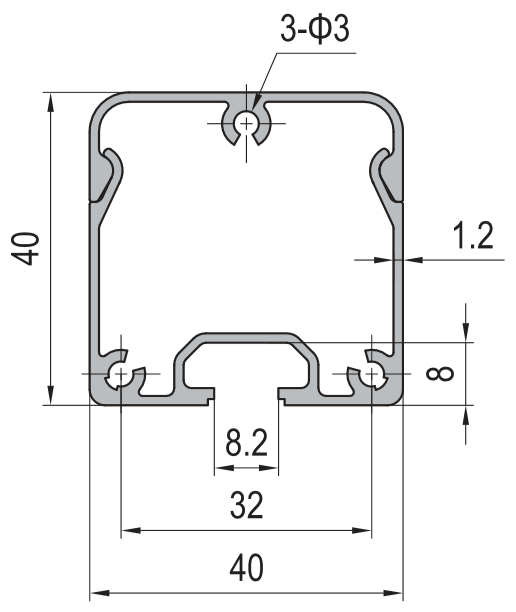
Project planning How to Choose the Right T-Slot Aluminium Profile for Your Project The right section for a one-off frame is rarely the right section for a hundred. Here is how the decision changes with project type and quantity — and the four points at which a project quietly loses money. 11 min readPrototype vs […]
How to Choose the Right Aluminium Profile Size for Industrial Frames
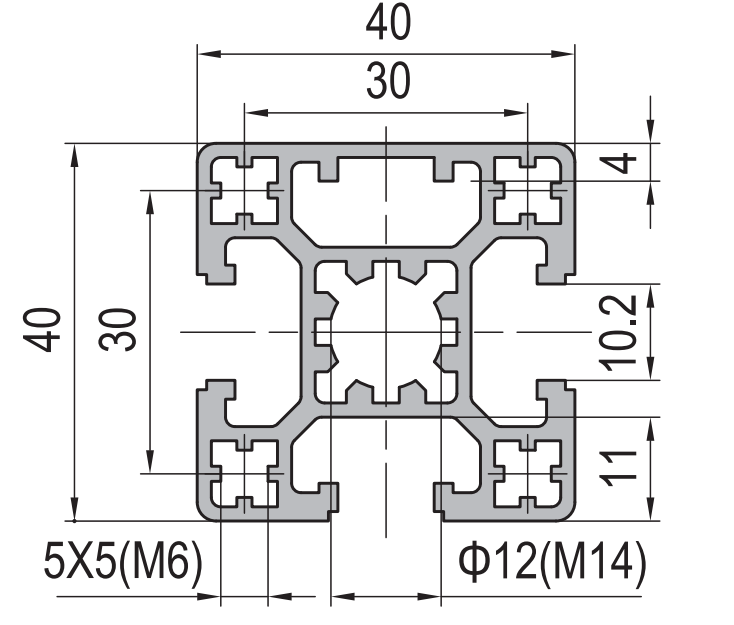
Size selection How to Choose the Right Aluminium Profile Size for Industrial Frames Size is the last lever, not the first. Here is the five-step calculation that turns a load, a span and a deflection budget into one section number — plus the span at which strength stops governing and stiffness takes over. 12 min […]
Aluminium Profile Sizes: The Four Slot Dimensions That Decide Compatibility
Slot geometry Aluminium Profile Sizes: The Four Slot Dimensions That Decide Compatibility A profile’s name tells you the envelope. It tells you nothing about whether your nuts and brackets will fit. Here are the four dimensions to measure, how to measure them, and how to match hardware without guessing. 10 min readSlot measurementNut matchingCross-series Quick […]
T-Slot Aluminium Profiles for Industrial Frames and Automation: A Specification Playbook
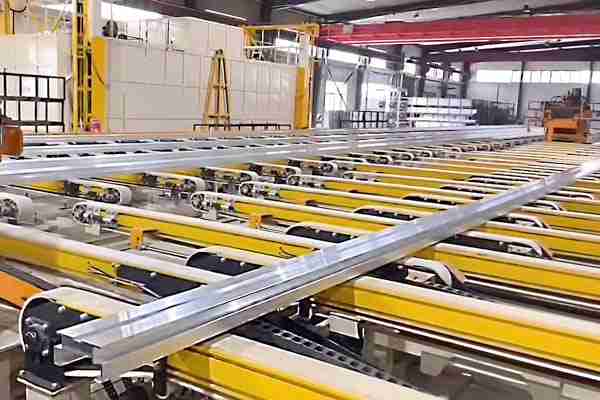
Sourcing specification T-Slot Aluminium Profiles for Industrial Frames and Automation: A Specification Playbook Most profile problems are specification problems, not manufacturing problems. Nine lines turn a purchase order into a repeatable part — and six of them are the lines buyers leave out. 12 min readEN 755-9Incoming inspectionRFQ template Quick answer The nine lines that […]
40×40 Aluminium Profile: Where It Works, Where It Fails, and Why
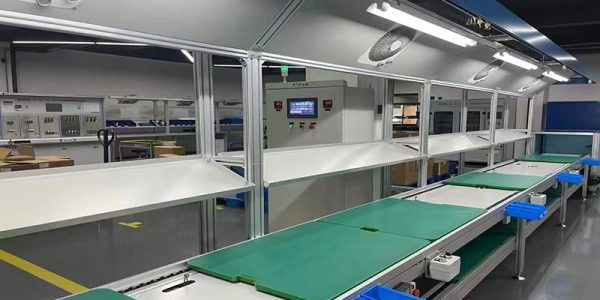
Applications and limits 40×40 Aluminium Profile: Where It Works, Where It Fails, and Why The default section in aluminium framing, judged application by application. Nine uses with the span and load each one actually sees, the three failure modes that catch people out, and why a deeper section beats a thicker wall. 11 min readApplication […]
4040 T-Slot Aluminium Profile for Machine Frames: Choose It by Deflection
Profile selection 4040 T-Slot Aluminium Profile for Machine Frames: Choose It by Deflection Strength almost never decides a 4040 frame. Deflection does. Here is the section property that governs it, the load cases that matter, and the unit mistake that makes published load tables wrong by a factor of ten. 13 min readDeflection tables6063-T5 · […]
Heavy-Duty T-Slot Hinges and Sliding Door Buffers: Sizing Them with Numbers
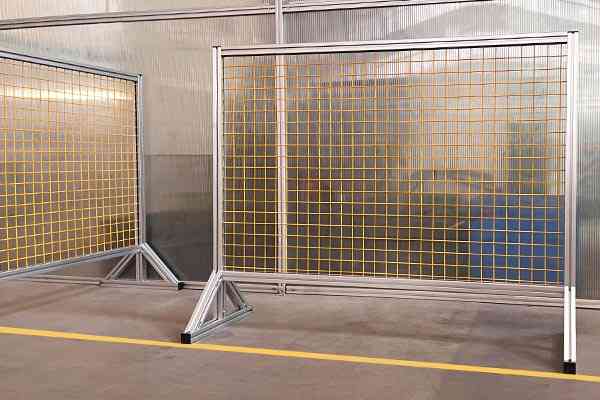
Guard hardware engineering Heavy-Duty T-Slot Hinges and Sliding Door Buffers: Sizing Them with Numbers A door that sags and a door that slams are both sizing errors, not quality problems. Here is the hinge moment calculation and the buffer energy calculation that stop both, using hardware that fits 40-series aluminium profiles. 10 min readHinge momentBuffer […]
T-Slot Aluminum Profile Connectors: What Each Type Is Actually Good At
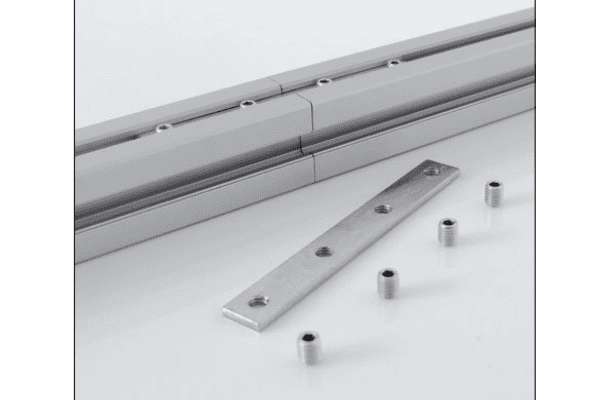
Connector selection T-Slot Aluminum Profile Connectors: What Each Type Is Actually Good At Six connector families, ranked by the load they really carry, with the machining each one demands and a joint-by-joint selection for two real frames. Most guides list the types; this one tells you which one wins where. 12 min readCapacity rankingMachining matrix40 […]
Aluminum Corner Brackets for T-Slot Frames: How to Choose by Load Path, Not by Looks
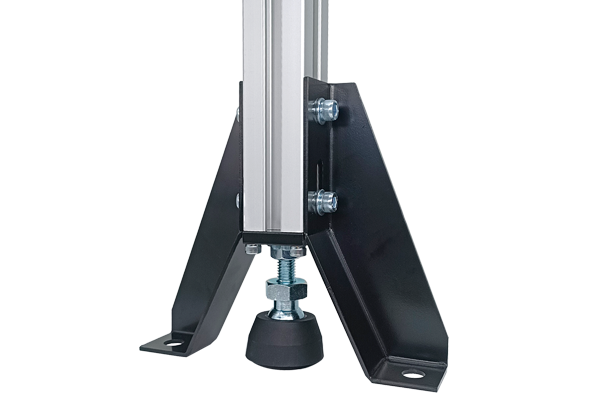
Structural connections Aluminum Corner Brackets for T-Slot Frames: How to Choose by Load Path, Not by Looks Most bracket guides tell you to “match the bracket to the profile”. That advice is true and useless. This one shows you what the bracket is actually doing inside a joint, which part of the connection fails first, […]
Designing Machine Guards and Safety Fences in Aluminium Profile: An ISO 14120 Guide
An aluminium profile has no safety certification. What makes a guard safe is the safety distance, the impact basis, the panel material and the interlocking — plus a verification checklist to sign off against.
Auditing an Aluminium Profile Supplier: Factory, Trader, or Something in Between
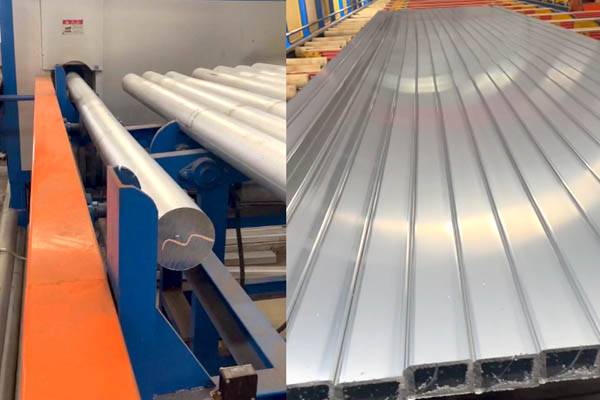
The factory-versus-trader question is the wrong question. What matters is who controls the press, the die and the quality record. A total cost of ownership model with worked numbers, and a two-day audit itinerary.
Anodised vs Powder Coated Aluminium Profiles: A Specification Guide for European Buyers
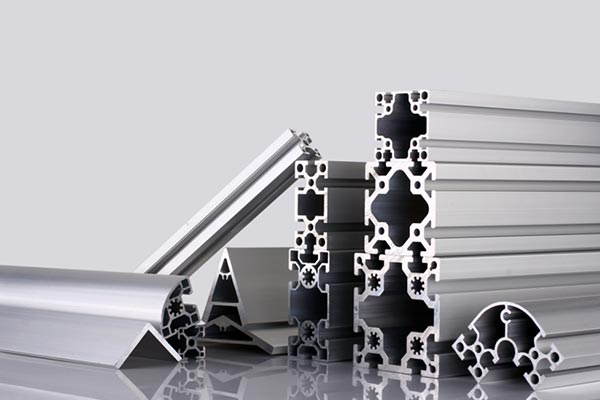
The question is rarely which finish is better and almost always which will pass incoming inspection. Film thickness, salt spray, colour tolerance and the standards a European buyer can actually inspect against.
Metric vs Imperial T-Slot Profiles: How to Test Compatibility Before You Order
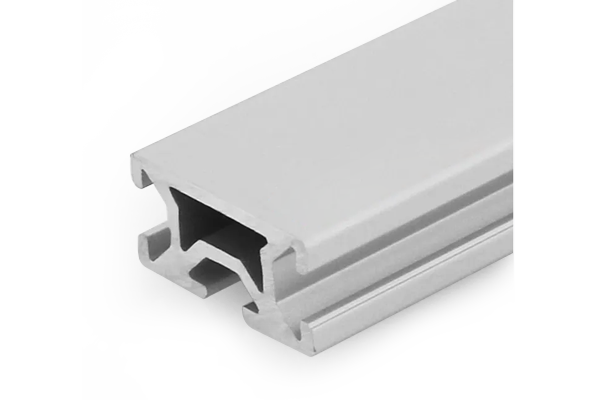
Two 40 mm profiles can look identical and still refuse to share a fastener. The four dimensions that decide compatibility, the pitch error arithmetic, and how to write the requirement into a purchase order.
ESD-Safe Aluminum Profile Workbenches: Why Anodising Alone Fails the Audit
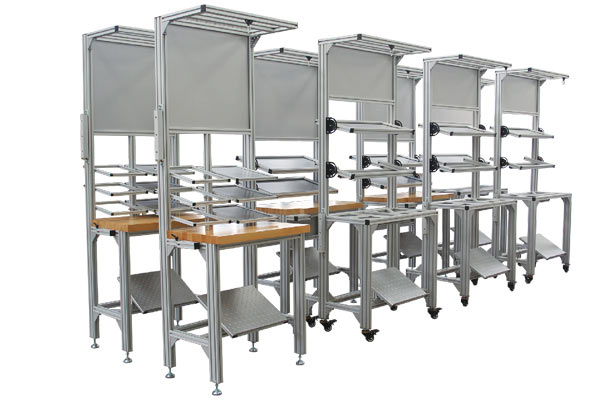
Most aluminium profile workbenches sold as anti-static are built from an insulating finish. Why anodising fails the audit, what the resistance numbers actually are, and how to ground a bench properly.
Aluminum Extrusion Tolerances: How to Write a Specification Your QC Team Can Actually Inspect
Specifying a tolerance is the easy half. The hard half is measuring it honestly on a six-metre profile in a workshop at nine in the morning. Measurement methods, temperature error, and what to do when the goods are marginal.
Aluminum vs Steel Machine Frames: Choose by Deflection, Not by Strength
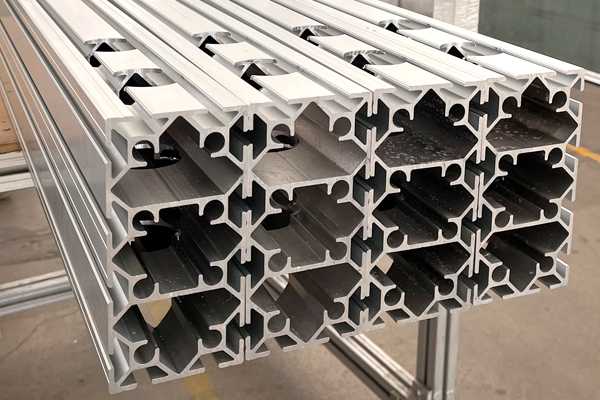
Every aluminium-versus-steel comparison starts with strength, and every one of them answers the wrong question. A machine frame fails by moving too much, not by yielding. Here is the stiffness arithmetic, with worked numbers you can check.
Importing Aluminum Profiles from China: Nine Failures That Quietly Raise Your Landed Cost
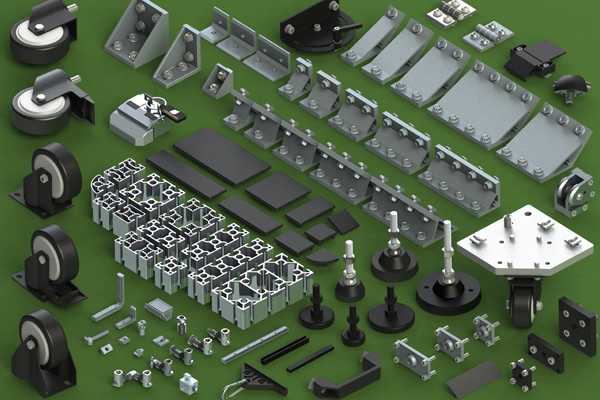
Most import losses are not caused by a bad factory. They are caused by a purchase order that never said what good means. Nine failure points, the clause that closes each one, and an AQL inspection plan.
Industrial Aluminum Profiles: Alloys, Tempers and How to Select Them
A practical engineering guide to the aluminium alloys behind industrial profiles — what actually changes strength, corrosion resistance, cost and lead time, and how to pick a grade you will not regret.
